
The following interview with Alex Atkins, Marketing Analyst for Scratch Wireless, provides an inside look at how the company is impacting the cellular market and making further plans to add new devices to their service. Be sure to also check out my personal review of the Scratch Wireless service for more details on the product.

__
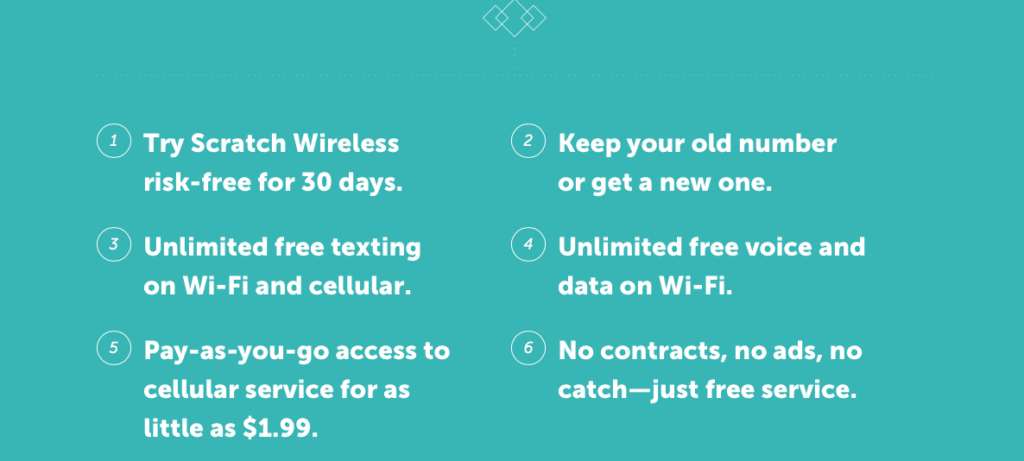
Many people think the only way to enjoy all the benefits of a smartphone is by handing over hard-earned cash for a monthly service plan. And it is true that, until recently, paying out has been the only secure way to access mobile amenities. Now, Scratch Wireless is changing the way we think about cellular service. Just pay a one-time price of $269.00 for their Motorola Android device and you can have free access to data, talk and text benefits anywhere you can find a Wi-Fi hotspot or connection—which, these days, is everywhere.
I wanted to gather some inside details about this new revolutionary company, their services, and how providing cellular access without the ball-and-chain of monthly payments is changing the market. Alex Atkins, Marketing Analyst for Scratch Wireless, was kind enough to provide insight about the company and the future of a free-communication market:
The first question on my mind follows almost every great product invention, “why has this not been done before?” Who are your competitors in the market and what makes Scratch Wireless stand out?
Alex: The idea of Wi-Fi First is both novel and intriguing. We at Scratch Wireless see smartphones for what they really are, pocket sized tablets. So why then, do we pay for service for one but not the other? We couldn’t come up with any feasible answers and decided to put a stop to it. This took our small, but brilliant, team three years to accomplish. Building a Wi-Fi-First cellphone carrier from the ground up, completely in the cloud, on a cellular operating system, was extremely challenging. The difficulties of implementing a new technology deep within the Android operating system are both numerous and daunting. I believe this explains the lack of direct competition within the landscape. There are a plethora of companies within the wireless industry that offer “bargain” deals ranging from pre-paid phones to family plan contracts. These companies continue to undercut their competitors, offering the “latest and greatest” deals of the month. And yet, every one of these companies operates within a cellular environment that precludes the usage of free wireless. Nine out of every ten Scratch users who port their numbers do so from AT&T and Verizon. These big guys look at Wi-Fi as a foe, not a friend. Hindered by their brick and mortar infrastructure and blinded by their profits, these companies are clueless to the wireless revolution happening all around them. AT&T and Verizon are limited to the boundaries the cellular landscape imposes on them. Because of this, their services will never be free. Luckily for Scratch, those rules do not apply.
At CellBreaker, we know first hand that the cellular market is changing. The big guys seem to be aware of it as well. How anxious was Motorola and Sprint to get on the free-service bandwagon with your company?
Alex: The transition within the cellular market has been incredible. Sprint has been a fantastic partner. They embrace disruption and have been incredibly supportive in this mission. Similarly, Motorola sees major opportunities in the Wi-Fi First initiative, and has been hugely helpful to us in bringing great devices to market.
There is a daily and monthly purchase plan available through the Scratch Wireless app. How did Scratch Wireless determine the amount of data to offer in this plan and what happens if the data runs out?
Alex: When Scratch launched, we conducted research to determine the layout of our current cellular passes. So far the model is sustainable and subscribers love it. Now that we have collected significant data, we are experimenting with different pass sizes. You should expect to see passes with much greater value coming soon, so stay tuned!
Currently, our data month pass gives the subscriber 200MB for $14.99. While this might seem like a small amount of data at first, it is important to remember that on average, Americans spend 80% of their day surrounded by accessible Wi-Fi. In other words, that 200MB will be used to fill in the data gaps, not as a primary source. The Scratch subscriber can choose to renew cellular passes or manually add them as they see fit. The best part about this system is the full control the subscriber has thanks to our transparent layout. Once a pass is finished, the user is notified. Moreover, Scratch will never charge a subscriber for overage fees on data (or anything else for that matter). That said, if you are on a cellular phone call and run out of minutes, we will not drop the phone call. What’s the point?
The device offered is an excellent product for the price. Will Scratch Wireless provide other devices in the future?
Alex: One aspect of the service we have been addressing is the diversification of our devices. For our launch in December of 2013, we focused on one device, the Motorola Photon Q. Since then, we have actively researched new devices that we feel fit perfectly with our Wi-Fi First approach. We are very excited to announce the unveiling of new devices this fall!
__
Comment from the Editor:
The benefits of choosing Scratch Wireless are numerous, but when considering a phone plan for your child Scratch Wireless is an exemplary option. Not only will users of Scratch Wireless be dissuaded from talking on their phone while driving (Wi-Fi can be hard to come by on the road), but you may be saving a lot more money than you realize by considering options outside of the typical family plan. Alex shares more insight on this topic in his blog post Family Plan Lifespan.